
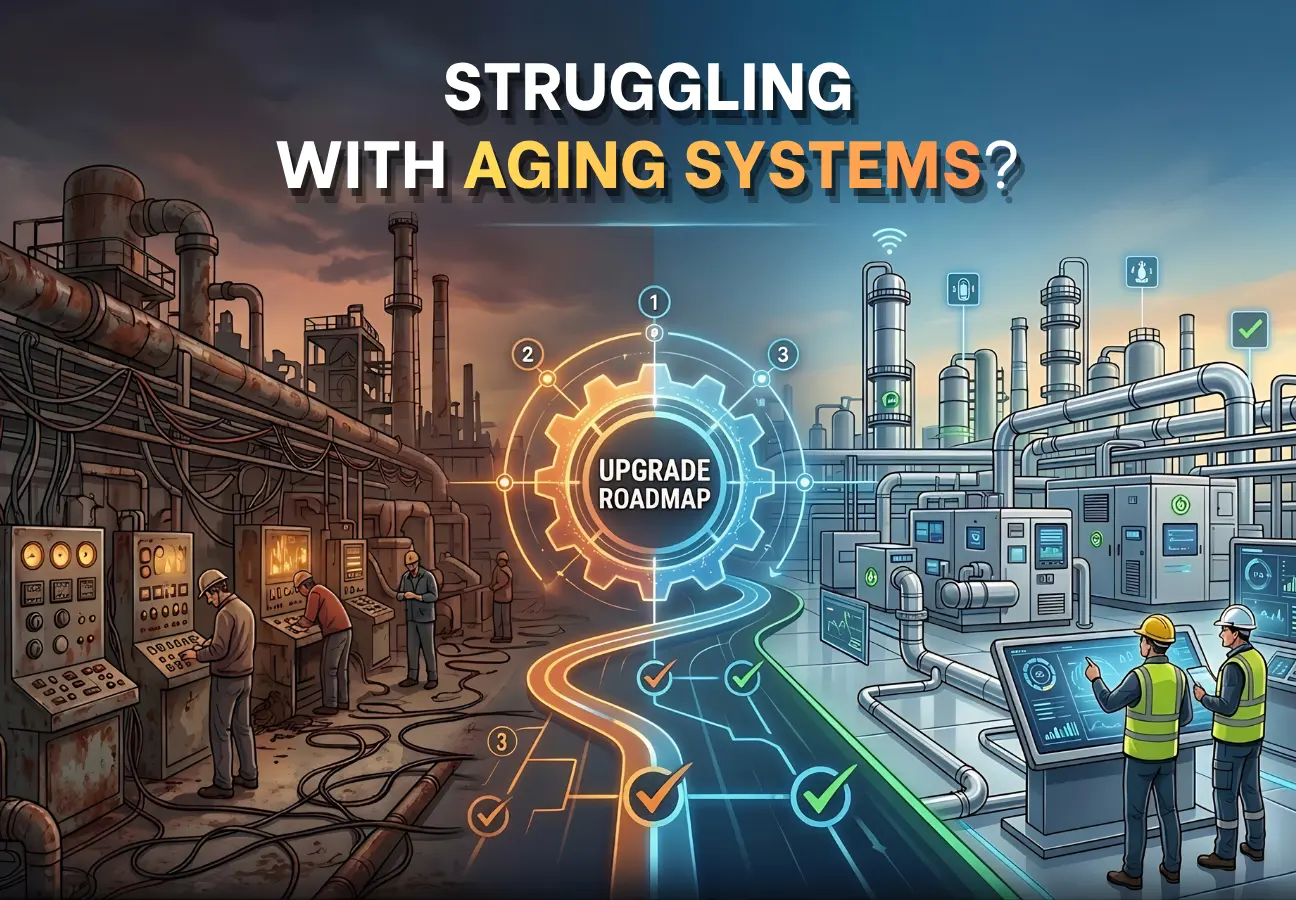
Struggling with Aging Systems? Engineering Industrial Infrastructure Upgrade Roadmap You Need
Are aging systems slowing down your industrial operations?
If your plant is facing frequent breakdowns, rising maintenance costs, or outdated technology, your infrastructure may be silently reducing efficiency, increasing risks, and limiting growth.
Modern industrial success depends on smart, scalable, and efficient systems — not legacy setups. That's why having a structured engineering industrial infrastructure upgrade roadmap is critical.
In this guide, you'll learn:
What Is Engineering Industrial Infrastructure?
Engineering industrial infrastructure involves designing, upgrading, and optimizing industrial systems, equipment, and processes to improve efficiency, safety, reliability, and long-term performance.
Signs Your Industrial Infrastructure Needs an Upgrade
Your plant likely needs an upgrade if you experience any of the following:
Instant Summary
Why Industrial Infrastructure Upgrades Are Critical Today
Risks of Aging Infrastructure
Impact on Productivity
Strategic Modernization
Key Takeaway: A structured engineering upgrade roadmap helps industrial companies reduce risks, improve efficiency, and build future-ready operations.
Engineering Industrial Infrastructure Upgrade Roadmap
Step 1: Comprehensive Infrastructure Assessment
Start with a full system evaluation to understand current state and identify gaps.
Step 2: Identify Bottlenecks and Inefficiencies
Focus on areas delivering maximum ROI by pinpointing the biggest problem areas.
Step 3: Define Clear Upgrade Objectives
Set measurable goals that align with your business strategy.
Step 4: Develop a Phased Implementation Plan
Upgrade in stages to reduce risk and minimize operational disruption.
Technologies Driving Infrastructure Modernization
Automation & Control Systems
Improves accuracy and reduces human error
Digitalization & Smart Systems
Enables data-driven decisions
Energy Optimization Solutions
Reduces operational costs
Advanced Equipment & Materials
Improves durability and performance
Key Insights
Case Studies
A manufacturing plant with aging systems implemented a structured upgrade roadmap with the following actions and results:
Actions Taken
Results Achieved
Common Challenges (And Solutions)
Budget Constraints
Solution: Prioritize high-impact upgrades and use phased implementation to spread investment over time.
Operational Disruptions
Solution: Schedule upgrades during planned downtime and use parallel systems to maintain continuity.
Resistance to Change
Solution: Provide comprehensive training and communicate benefits clearly to all stakeholders.
Integration Issues
Solution: Use compatible technologies and partner with experienced engineering firms for seamless integration.
FAQ: Engineering Industrial Infrastructure
Short Summary
Engineering industrial infrastructure upgrades help modernize aging systems, reduce costs, improve efficiency, and enhance reliability. By using a structured roadmap and advanced technologies, industrial companies can achieve scalable and future-ready operations.
Conclusion
Aging systems don't just slow you down — they limit your growth and profitability.
With the right engineering infrastructure upgrade roadmap, you can transform outdated operations into efficient, reliable, and scalable systems.
Investing in modernization means:
Ready to Transform Your Aging Systems?
Partner with HaddyGroup today to transform your aging systems into high-performance assets and future-proof your industrial operations.
Get In Touch